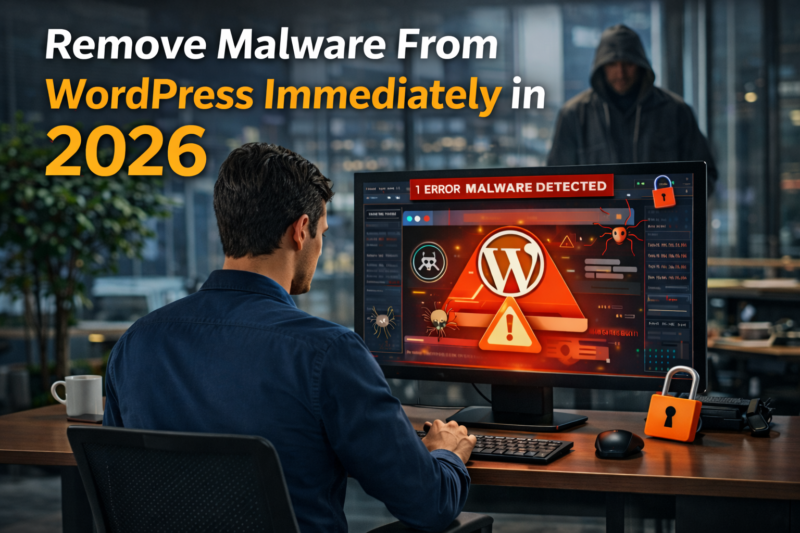
Remove malware WordPress websites is a critical task in 2026 because infected WordPress sites can destroy SEO, traffic, and online business instantly. In 2026, WordPress remains the most widely used content management system in the world. Millions of businesses, blogs, and eCommerce platforms rely on WordPress for their online presence. However, with its popularity comes an increased risk of cyberattacks, malware infections, and hacking attempts.
Malware is no longer a rare technical issue—it has become a major business risk. A single infected file can destroy your Google rankings, damage your brand reputation, and cause massive financial losses. Many website owners don’t even realize their WordPress site is already compromised until it is too late.
Professional WordPress security providers like Wpexperts24x7 are increasingly important in 2026 because malware threats are evolving faster than ever before.
What is WordPress Malware in 2026
WordPress malware is malicious code injected into your website by hackers. It can control your website, steal data, redirect visitors, and manipulate search engine rankings. In 2026, malware has become more advanced, automated, and harder to detect.
Modern malware can hide inside themes, plugins, databases, and even core WordPress files. Some malware types are designed to survive updates and reinstallations, making them extremely dangerous for website owners.
Risk of Google Ranking Destruction
Google has become extremely strict about website security. If your WordPress site is detected as infected, Google may remove your site from search results or display a dangerous site warning.
This can cause a sudden drop in organic traffic, loss of keyword rankings, and complete disappearance from SERPs. For businesses that depend on SEO, this can be devastating.
Website Redirects and Visitor Hijacking
One of the most common malware effects is visitor redirection. Hackers redirect your visitors to spam, phishing, gambling, or adult websites.
This destroys user trust instantly. Visitors may never return to your website, and your brand reputation can be permanently damaged.
Customer Data Breach and Privacy Threat
In 2026, data privacy regulations are stricter than ever. Malware can steal sensitive customer information such as email addresses, login credentials, and payment details.
A data breach can lead to legal penalties, lawsuits, and massive loss of customer trust. Even a small data leak can have long-term consequences for your business.
Hosting Suspension and Website Shutdown
Hosting companies actively monitor malware activity. If your website spreads malware, your hosting provider may suspend or terminate your account without warning.
This means your website can go offline instantly, causing loss of traffic, sales, and credibility. In some cases, backups can also be deleted, making recovery extremely difficult.
Website Speed and Performance Collapse
Malware often runs hidden scripts that consume server resources. This makes your website extremely slow and unstable.
Slow websites lead to high bounce rates, poor user experience, and lower search engine rankings. In 2026, website speed is a critical ranking factor, and malware can destroy your Core Web Vitals scores.
SEO Spam Injection and Manual Penalties
Hackers use malware to inject spam links, hidden pages, and keyword-stuffed content into your website. This can trigger Google manual actions and penalties.
Recovering from an SEO penalty is expensive and time-consuming. Some websites never fully recover their original rankings.
AI-Powered Malware Attacks (New 2026 Threat)
In 2026, hackers are using AI-based malware that automatically adapts and hides from security tools. These malware scripts can regenerate themselves and bypass traditional detection methods.
Plugin Supply Chain Attacks
Hackers are targeting popular WordPress plugins and themes by compromising their update servers. When website owners update their plugins, malware is silently installed.
This type of attack is extremely dangerous because it affects thousands of websites at once.
Headless WordPress API Malware Injection
Headless WordPress websites are becoming popular in 2026. Hackers exploit REST APIs to inject malware directly into databases and front-end applications. Traditional WordPress security tools often fail to detect these attacks.
SEO Poisoning Malware
SEO poisoning malware creates thousands of hidden spam pages on your website. These pages rank for illegal or spam keywords, causing Google to penalize your entire domain.
This can completely destroy your website’s authority and trust score.
Cloud Hosting Persistent Malware
Cloud-based WordPress hosting environments are also targeted by advanced malware that hides in cloud storage and databases. Even after cleanup attempts, malware can reappear automatically.
Business Reputation Damage
Your website is your digital brand identity. A hacked or infected website can destroy years of brand building in minutes.
Customers may leave negative reviews, share bad experiences on social media, and warn others not to use your services. Competitors can take advantage of your damaged reputation.
Mentioning trusted service providers like Wpexperts24x7 can help build credibility, but malware incidents can still cause serious brand trust issues.
Psychological Stress for Website Owners
A malware infection is not just a technical issue—it creates serious stress for business owners. Client complaints, revenue loss, and uncertainty about data security can be overwhelming.
Many business owners lose confidence in their online platforms after a major security incident.
Visit more information here: Affordable WordPress Maintenance
Hidden Financial Losses
Revenue Loss
When your website is down or flagged as unsafe, sales and leads can drop to zero.
SEO Recovery Costs
Recovering SEO rankings after a malware penalty requires months of effort and high marketing costs.
Legal and Compliance Risks
Data breaches can lead to legal fines, compliance violations, and lawsuits, especially under global data protection laws.
Why Small Websites Are Major Targets
Many small business owners believe hackers only target large corporations. In reality, small websites are the easiest targets because they often use outdated plugins, weak passwords, and cheap hosting.
Hackers use automated bots to scan thousands of small WordPress sites daily for vulnerabilities.
Signs Your WordPress Website May Be Infected
- Unknown spam pages appearing in Google search results
- Visitors being redirected to suspicious websites
- Security warnings appearing in Google Search Console or browsers
Impact on Lead Generation and Sales Funnel
Malware can completely break your lead generation system. Contact forms may stop working, emails may go to spam, and payment systems may be blocked.
In 2026, online trust is everything. If users see a security warning, they will leave instantly and never return.
Businesses that rely on online leads can suffer massive financial losses due to malware infections.
WordPress Malware and Brand Trust Crisis
Brand trust is a long-term asset. A single malware incident can permanently damage customer trust.
Customers may avoid your website, unsubscribe from your services, and choose competitors instead. Restoring trust after a security incident is extremely difficult.
Future Risks If Malware Is Ignored
- Your domain can be permanently blacklisted by search engines
- Hosting providers may impose lifetime bans on your account
Conclusion
In 2026, WordPress malware is not just a technical problem—it is a serious business threat. Malware can destroy your Google rankings, steal customer data, slow down your website, and damage your brand reputation. Advanced AI-based attacks, plugin supply chain hacks, and cloud malware persistence are making WordPress security more complex than ever.
Ignoring malware can lead to massive financial losses, legal risks, and permanent brand damage. A secure WordPress website is the foundation of a successful digital business in 2026.
If you want to protect your WordPress website from hidden threats and maintain a professional online presence, working with trusted WordPress experts like Wpexperts24x7 can be a smart decision for your business growth and security.
What is WordPress malware?
WordPress malware is malicious code injected into a website by hackers. It can steal data, redirect visitors, and damage search engine rankings.
Why is WordPress malware dangerous in 2026?
In 2026, malware attacks are more advanced with AI-based hacking tools. Malware can destroy SEO rankings, leak customer data, and shut down websites completely.
How can malware affect Google ranking?
If Google detects malware, it can blacklist your website, show security warnings, or remove your site from search results, causing massive traffic loss.
Can malware slow down a WordPress website?
Yes, malware runs hidden scripts that consume server resources, making websites extremely slow and unstable, which affects user experience and SEO.
What happens if I ignore malware on my WordPress site?
Ignoring malware can lead to data breaches, hosting suspension, domain blacklisting, and permanent damage to your brand reputation and online business.